Superfoods
Why Andean Quinoa Beats Hemp for Plant Protein
Lapenta Commerce LLC · From Our Journal
When someone is looking for high protein plant based snacks, the question almost always comes up: quinoa or hemp? Both are organic. Both are plant based. Both are marketed as superfoods.
But for anyone serious about clean label functional foods and getting the most out of their nutrition, they are not equal. The science behind Andean superfood snacks tells a clear story.
The Complete Amino Acid Profile: Why Quality Matters More Than Quantity
Hemp protein gets a lot of attention because it is trendy. It has been marketed aggressively as a complete protein containing all nine essential amino acids. That is true. Hemp does have all nine. But here is what most marketing conveniently leaves out: the amino acid ratios in hemp are not optimal for human nutrition.
Quinoa, by contrast, has all nine essential amino acids in nearly perfect proportions. The United Nations Food and Agriculture Organization and the World Health Organization evaluated quinoa's protein quality and rated it comparable to casein protein found in cow milk. That is not marketing — that is official international nutritional assessment.
What does this mean for anyone shopping for high protein vegan snacks? When someone eats quinoa based protein snacks, their body absorbs and utilizes the protein more efficiently. They build muscle more effectively. They feel fuller longer. The amino acid ratio matters because it determines bioavailability — how much of that protein your body can actually use.
With hemp, you are getting protein, but the amino acid ratios mean your body cannot use it as completely. It is like having all the ingredients for a meal but missing the right proportions — technically complete, but functionally incomplete.
For anyone sourcing non GMO superfood snacks or clean label protein snacks, this distinction translates directly to customer satisfaction and repeat purchases.
Quinoa's Nutritional Density: The Broader Picture
Hemp protein powder is high in healthy fats, particularly omega-3 fatty acids. That is genuinely good. But when you are evaluating organic plant based foods wholesale, you are usually looking for comprehensive nutrient density, not just one standout nutrient.
Quinoa contains not just complete protein, but also magnesium, zinc, phosphorus, manganese, and fiber. A single quinoa based snack delivers protein plus a mineral complex that supports bone health, immune function, and energy metabolism. Hemp gives you protein and omega threes, but you are missing the mineral density that makes quinoa truly special as a South American organic food.
For fitness focused customers and health conscious buyers, this matters. They are not just looking for protein — they are looking for functional nutrition that delivers across multiple dimensions. Andean superfood snacks accomplish that more comprehensively than hemp alternatives.
The Andean Heritage: Why History Builds Trust
Here is something that pure nutrition science does not capture: the story behind the ingredient.
Quinoa has been cultivated in the Andes for five thousand years. It sustained the Inca civilization and continues to sustain Andean communities today. When customers buy Andean superfood snacks, they are connecting with a food tradition that has been tested and proven over millennia. It is not a modern superfood trend — it is an ancestral food with deep cultural roots.
Hemp, by contrast, has been used for textiles and seeds for centuries, but as a protein supplement, it is new. It is trendy. Trendiness fades, but heritage endures.
For anyone building a reputation around premium organic foods B2B, Andean quinoa snacks tell a story that hemp based alternatives cannot match. You are offering something with real roots, real history, and real cultural significance. That builds the kind of loyalty that transcends price and competition.
Why This Matters for Your Health Food Strategy
Whether you are a retail buyer sourcing zero sugar organic snacks or a health conscious individual looking for the best clean label functional foods available, the choice between quinoa and hemp comes down to this: do you want trendy or proven?
Wipala's quinoa snacks are backed by science, backed by five thousand years of Andean cultivation, and deliver measurable nutritional benefits that hemp based snacks cannot match. Available through Lapenta Commerce as an authorized South American organic foods distributor, Wipala represents what genuine high protein healthy snacks look like when sourced with integrity and purpose.
Your customers will feel the difference. They will come back for it. They will recommend it. That is how you build a reputation around products that actually work.
Ethical Sourcing
The Know the Origin Movement: Why Traceability Matters More Than
Lapenta Commerce LLC · From Our Journal
Walk into any health food store and you will see the same label on dozens of products: USDA Organic. It used to mean something. In the early days of the natural food movement, that certification told you something real about how the product was grown, processed, and handled.
Today, it is just a checkbox.
Every major brand of organic plant based foods wholesale has the organic label. Every superfood foods distributor claims sustainability. Every certified vegan snacks distributor promises ethical sourcing. So if everyone has the same certifications, how do you actually know which products are genuinely ethical and which ones are just playing the wellness marketing game?
The answer is simpler than you would think: ask where the food actually comes from.
The Organic Certification Paradox
Here is the thing about organic certification that nobody really talks about: it has become a commodity standard, not a differentiator.
Twenty years ago, organic was rare. Today, organic is everywhere. Every major snack brand has an organic alternative. The label that once signaled we care about quality now just signals we meet baseline standards.
For anyone sourcing high protein vegan snacks or clean label protein snacks, this creates a real problem. You have five brands of non GMO superfood snacks on your shelf, all with the same
certification, all at different price points. How do you choose? How do you tell your customers why one is worth more than another?
Most people cannot answer that question beyond price. That is where you lose leverage — with customers and with the brands you are buying from.
What Wipala Actually Does Differently
Wipala's Know the Origin philosophy sounds simple, but it is operationally radical in the South American organic foods space.
They do not source from ingredient brokers. They do not buy from commodity suppliers. Instead, Wipala works directly with farming communities in the Andean highlands. They know the specific farmers. They know the altitude where the quinoa and amaranth are grown. They know the soil conditions. They can tell you exactly which harvest produced the snack in your hand.
When you buy Andean superfood snacks from Wipala through a distributor like Lapenta Commerce, you are not just buying organic certified snacks. You are buying a product with a complete origin story backed by a fully traceable food supply chain. That farmer in the Sacred Valley who grew the quinoa — you can tell your customer about them.
That is not marketing. That is real traceability.
Why Customers Care and Why It Matters
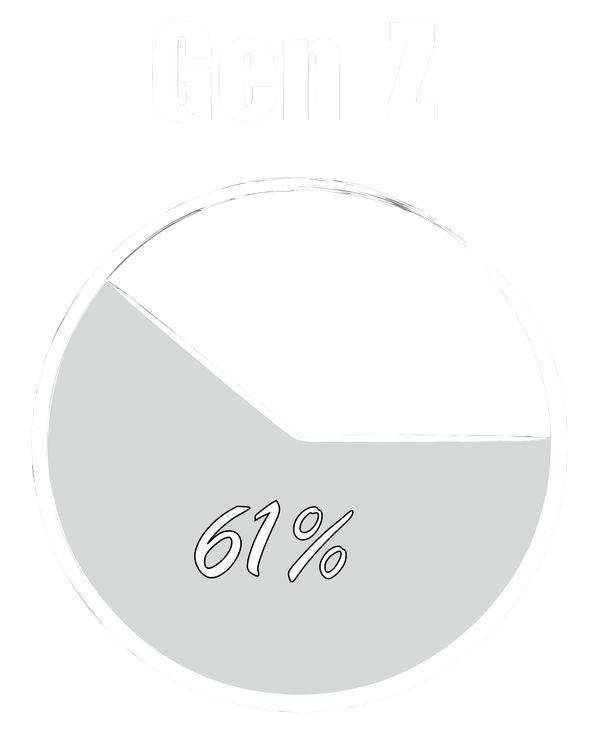
Modern consumers make purchasing decisions based on values. A 2023 Food Marketing Institute study found that sixty four percent of consumers consider supply chain transparency when deciding what to buy. For millennials and Gen Z, that number is even higher.
Think about what happens when someone asks about ethical snack sourcing USA. With most zero sugar organic snacks, you point to the certification. With Wipala, you tell the actual story. You tell them about the Andean farming communities that depend on quinoa cultivation. You tell them Wipala pays fair trade prices because they value the relationship. You tell them every batch is traceable back to its source.
That conversation builds trust. Trust builds loyalty. Loyalty builds repeat purchases.
How This Differentiates Your Store
Big box retailers can stock organic energy bars wholesale. They can match prices. They can offer convenience. But they cannot offer the origin story and traceable food supply chain that Wipala provides.
When you stock Wipala through Lapenta Commerce, you are stocking something genuinely unique. It is not just another clean label protein snack. It is a premium organic food B2B product with roots, community connections, and a verifiable story.
A customer at a chain store might buy an organic quinoa bar because it is convenient. A customer who finds Wipala buys it because they believe in what the product represents. That is the difference between a transactional relationship and a loyalty relationship — and that is what fair trade organic snacks from ancestral food traditions deliver.
Gourmet
Maras Salt vs. Himalayan Pink Salt: Why Artisanal Methods Create Superior
Lapenta Commerce LLC · From Our Journal
Walk into a specialty food store or high end kitchen supply shop and you will see pink salt everywhere. Himalayan pink salt dominates the shelves. But if you pay attention to what actual chefs are using — in fine dining kitchens, Michelin starred restaurants, and serious home cooks who care about flavor — Peruvian pink salt, specifically Maras salt, is becoming the preference among those who understand gourmet cooking ingredients wholesale and premium artisanal food products.
Both are pink. Both are marketed as premium. Both command higher prices than table salt. But they are fundamentally different products, and understanding that difference matters whether you are a chef, a specialty food buyer, or a health conscious consumer.
The Mining vs. Sun Evaporation Divide
Here is where the story starts: how the salt is actually harvested.
Himalayan pink salt is mined. It comes from underground deposits in Pakistan created millions of years ago. Mining operations extract this salt using heavy equipment, blasting and crushing rock, then refining it chemically to remove what they consider impurities.
Maras salt is harvested, not mined. In the Sacred Valley of Peru, at four thousand meters above sea level, a natural spring emerges from the mountain carrying mineral rich water. The Incas engineered a system of terraced pools — andenes — where this water flows downhill, evaporates naturally in the sun, and salt crystallizes. The same method has been used for six hundred years. The same pools are still in operation today.
One is extractive and industrial. One is regenerative and artisanal.
This distinction matters because it speaks directly to sustainable food sourcing USA standards. Himalayan mining depletes a finite resource. Maras harvesting is continuous because the spring never stops flowing. When you choose Maras through a distributor like Lapenta Commerce, you are choosing a specialty gourmet food that does not deplete the earth.
The Mineral Profile Difference That Tastes Real
Now here is where science meets flavor.
Himalayan pink salt contains trace amounts of magnesium, calcium, potassium, and iron — roughly two to three percent total mineral content by weight. The pink color comes from iron oxide, which sounds impressive until you realize the concentrations are so small they do not functionally impact nutrition or flavor.
Maras salt carries over eighty dissolved minerals because the spring water flows through Andean rock layers for centuries before reaching the terraced pools. When the water evaporates naturally in the sun, those minerals crystallize along with the salt. The result is a natural pink salt with significantly higher mineral diversity and concentration than Himalayan.
What does this mean in your mouth? Himalayan salt tastes clean but slightly bitter — a sharp, one note salt flavor. Maras salt tastes smooth and balanced, with subtle mineral undertones that actually enhance food rather than just adding saltiness. Professional chefs notice this immediately. In blind tastings, Maras consistently ranks higher for finish and flavor complexity.
For anyone sourcing the best gourmet salt for chefs or premium cooking salt wholesale, this is your differentiator. You are not just selling premium pink salt. You are selling a hand harvested sea salt gourmet product that professional kitchens prefer because it performs better.
Why Chefs Choose Maras Over Himalayan
High end restaurants care about one thing: does this ingredient improve the dish?
Himalayan pink salt became trendy, but when chefs actually tested it against other premium salts including Maras, they found the mineral balance was not ideal. The bitter undertones did not work well with delicate proteins like fish or scallops.
Maras, by contrast, enhances without overpowering. It brings out the natural flavors of meat and fish. It dissolves beautifully in cooking applications. It finishes dishes with a mineral complexity that diners notice, even if they cannot articulate why the dish tastes better than similar preparations elsewhere.
For anyone stocking artisanal salt for cooking or specialty salt for fine dining, this means customers will notice the difference. They will buy it again. They will tell other people about it. That is how specialty retail works.
The Sustainability Story
Here is something else that matters deeply in today's food market: environmental impact.
Himalayan salt mining is extractive. Each ton removed is one ton that will not be replaced. Maras harvesting is regenerative. The spring water flows continuously. The sun evaporates continuously. The salt crystallizes continuously. The local Maras communities have been harvesting from the same pools for six centuries because the system sustains itself.
For anyone committed to ethical food products wholesale and fair trade food products USA, Maras salt aligns perfectly. You are not just buying a premium artisanal food product. You are supporting ancestral, sustainable practices and fair trade economics that have supported communities for centuries.
That story sells. It justifies premium pricing. It builds loyalty beyond price.
Artisanal
The 600-Year-Old Salt Ponds of Maras: How Ancestral Methods Create
Lapenta Commerce LLC · From Our Journal
There is a place in the Peruvian Andes where hand harvested sea salt gourmet traditions have been alive for six centuries. Not with modern industrial equipment. Not with chemical processing. The exact same method that worked in the time of the Incas still works today, in the exact same location, using the exact same physics.
That place is Maras.
If you care about what goes into your food — whether you are sourcing premium artisanal food products, stocking specialty gourmet foods wholesale, or simply looking for the finest ancient sea salt gourmet cooking ingredient available — understanding how Maras salt is produced matters. Because the method is not just historically interesting. It is the reason the salt is superior.
The Geography and the Spring
Maras sits in the Sacred Valley of Peru, in the Cusco region, at approximately four thousand meters above sea level. At this elevation the climate is perfect for salt crystallization. The sun is intense, the humidity is low, and the nights are cool. But none of that matters without the spring.
A natural mineral rich spring emerges from the mountain itself at Maras. This spring has been flowing for centuries, carrying water filtered through Andean rock layers, dissolving minerals as it goes. The Incas recognized something special about this water — it had natural salinity and mineral complexity unlike anything found elsewhere.
Rather than mining for salt like other civilizations did, they engineered a system to harvest it sustainably from the spring. That system — the terraced pool network — is still the foundation of Maras salt production today. A spring that has been flowing for centuries, meeting an engineering system that has been in place for six hundred years, producing premium cooking salt wholesale through methods that have not fundamentally changed.
For anyone interested in ancestral food products and sustainable food sourcing USA, this heritage matters deeply. You are not just buying a product. You are buying continuity, proven method, and ancestral wisdom.
The Terraced Pool System: Incan Engineering Meets Natural Chemistry
Walk to the Maras salt ponds and you see something that looks almost agricultural. Hundreds of shallow pools — each about two meters square — arranged on terraces that step down the mountainside like rice paddies.
Water from the spring is channeled into the uppermost pools, and from there it flows downhill through narrow channels, moving from pool to pool as it descends. This is the andenes system — the same terraced engineering the Incas used for agriculture. At Maras, applied to salt.
As mineral rich water moves from the upper pools down to the lower pools, the sun evaporates it gradually. Water evaporates, but salt and minerals do not. So the concentration increases with each pool. By the time water reaches the final pools, it is highly saturated. The salt crystallizes. Harvesters rake it by hand into collection areas.
Different pools have slightly different mineral compositions because the water percolates through different rock layers as it descends the mountain. Some pools are richer in magnesium. Others in potassium or calcium. This natural variation means Maras salt is nuanced. Different batches have slightly different mineral profiles based on which pools they came from.
For chefs and sophisticated palates, this variation is actually a feature. It is terroir — like wine, like coffee, like any premium artisanal food product. The specific location and conditions create flavor complexity that industrial production simply cannot replicate.
Why Pool Based Evaporation Creates Better Minerals
Industrial salt manufacturing crushes rock, extracts salt chemically, and refines it to remove trace minerals. The logic is: purity equals quality. Remove everything except sodium chloride and you have pure salt.
But here is the problem with that thinking: those trace minerals are not impurities. They are the reason mineral rich pink salt USA products taste good and deliver nutritional value.
When salt crystallizes naturally over months in shallow pools, minerals precipitate out in the order of their solubility. This natural layering creates a mineral balance that is optimized by chemistry, not by human design. Industrial refining destroys this balance in the name of purity.
Studies of Maras salt show it has a more balanced mineral profile than Himalayan precisely because of this natural crystallization process. The minerals are not just present — they are present in ratios that enhance flavor and bioavailability. For natural pink salt health benefits, the difference is real and measurable.
The Community and the Continuity
Here is something that gets overlooked in the rush to source ethical food products wholesale and fair trade food products USA: the actual people involved.
The salt ponds of Maras employ hundreds of local families in the Maras community. Salt harvesting is labor intensive. It requires monitoring pools daily, managing water flow, raking and collecting salt by hand. These are not jobs that can be automated. They are jobs that require skill, attention, and generational knowledge.
When you buy Maras salt, you are directly supporting these families and their livelihoods. This is not corporate fair trade certification — it is actual economic impact. The Maras communities have maintained this practice for six centuries because it works and it sustains them.
For anyone committed to artisanal food imports and specialty gourmet foods wholesale with genuine ethical foundations, buying Maras through Lapenta Commerce means you can tell customers exactly who benefited from their purchase. That is powerful. That is real.
Nutrition
The Right Gluten-Free Pasta for Your Goal: Why One Pasta Doesn't Fit All
Lapenta Commerce LLC · From Our Journal
If you have made the switch to high protein gluten free pasta or healthy alternatives to wheat foods, you know it is not a one size fits all situation. Your nutritional needs change. Your fitness goals shift. Your digestive system responds differently to different ingredients.
The problem is most gluten free pasta brands do not understand this. They pick one base ingredient — chickpea, or lentil, or quinoa — and they commit to it. They market it as the solution. But it is not. Each type of plant based pasta alternative serves a different purpose.
El Dorado gets this. Instead of betting everything on a single pasta type, they offer eight distinct varieties under one brand — each formulated to serve different nutritional goals and digestive
needs. For anyone seeking the best gluten free pasta brands that cover every nutritional base, this breadth changes everything.
Red Lentil Pasta: Maximum Protein and Iron
Red lentil pasta is the heavyweight champion of plant based high protein foods. One cooked cup delivers approximately eighteen grams of protein — nearly double what you get from regular wheat pasta. It is also exceptionally high in iron.
The amino acid profile in red lentil pasta nutrition is complete, meaning your body can utilize all that protein efficiently. For gluten free pasta for athletes, for people building muscle, or for anyone prioritizing protein intake, red lentil is the clear choice.
The tradeoff? Lentil pasta has a denser, slightly earthier flavor than regular pasta. But it cooks quickly and maintains firm texture without turning mushy. For people who have struggled with gluten free pasta texture in the past, organic lentil pasta USA is often the breakthrough product.
Chickpea Pasta: Balanced Nutrition and Sustained Energy
Chickpea pasta high protein content sits at around eleven to twelve grams per cooked cup. What it offers is balance. Good protein, good fiber, good mineral content, and a flavor profile that is slightly lighter than lentil but still substantial.
Chickpea pasta works well as a functional food for anyone wanting nutrition without heaviness. It is great for sustained energy because the protein and fiber combination keeps blood sugar stable.
The main thing to know: some people report digestive sensitivity to chickpea pasta because of tannins. If that applies to you, lentil or other non GMO gluten free pasta options might work better.
Quinoa Pasta: Complete Amino Acids and Lighter Texture
Organic quinoa pasta offers all nine essential amino acids in a nearly perfect ratio. It is not as protein dense as lentil but the amino acid quality is exceptional. Your body absorbs and utilizes that protein very efficiently.
Quinoa pasta also has a lighter, slightly nuttier flavor. For high protein gluten free foods that do not feel heavy, quinoa works beautifully. It is great for lighter dishes, grain style bowls, or anyone who finds lentil pasta too dense.
Green Peas Pasta: The Middle Ground
Green peas pasta sits between the heaviness of lentil and the lightness of quinoa. It has good protein content around eleven grams per cooked cup and is gentler on digestion than chickpea. It works well for people seeking plant based pasta alternatives without density or digestive sensitivity.
Corn and Rice Pasta: Digestibility and Familiarity
Corn and rice based artisanal gluten free pasta options have been around longest. They are lighter, easier to digest, and cook more similarly to regular wheat pasta. If you are transitioning from wheat and want something familiar, these are the clean label food brands that bridge that gap.
They are lower in protein than legume based options, but for people with sensitive digestion or those just starting their gluten free journey, the ease of digestion and familiar texture are often more important than maximum protein content.
The Real Understanding: Different Days, Different Goals
Here is what most pasta brands miss: you do not have the same nutritional goal every single day. Some days you are training hard and need maximum protein. Some days you need easy digestion. Some days you want sustained energy.
El Dorado understands this. While most brands offer one or two options, El Dorado offers the full spectrum of healthy carbohydrate alternatives — red lentil, chickpea, quinoa, green peas, corn, rice, chia blends, and combinations. They understand that each pasta type can have a different target or goal for the person eating it. That is why they offer all of them. Because they know that what your body needs on Monday might be different from what it needs on Friday.
For anyone looking for organic plant based foods from a single trusted South American organic foods USA source, this variety is genuinely rare. One brand. Eight options. Every nutritional goal covered.